Pallet liquidation
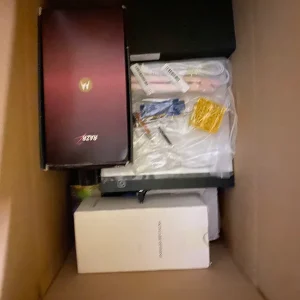
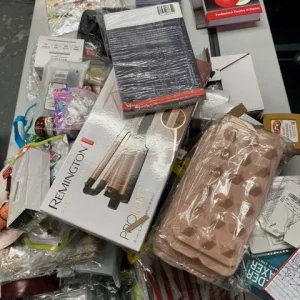
Pallet liquidation is the process of purchasing bulk merchandise that retailers, manufacturers, distributors, and other businesses are clearing from their inventory. These goods may include customer returns, overstock, shelf pulls, discontinued products, excess inventory, seasonal merchandise, and other surplus goods.
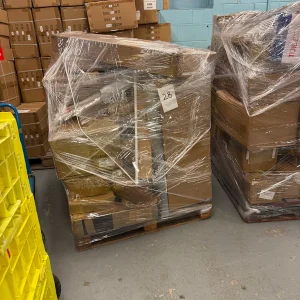
For resellers, liquidation pallets can provide access to large quantities of merchandise through a single wholesale purchase. Depending on the source, buyers may purchase individual pallets, multiple pallets, truckloads, or other bulk lots.
The key to successful pallet liquidation is not simply finding the cheapest pallet. Buyers need to evaluate the condition, product mix, manifest, transportation costs, resale demand, storage requirements, and total landed cost before purchasing.
A liquidation manifest can contain product names, UPCs or SKUs, quantities, retail values, and condition information. However, manifest formats vary between sellers, so buyers should always review the details and condition definitions associated with each individual lot.
Whether you are an established liquidation reseller, online seller, bin-store operator, flea-market vendor, exporter, or someone researching the wholesale market, understanding how pallet liquidation works can help you make more informed purchasing decisions.
What Is Pallet Liquidation?

after it has been removed from a retailer’s normal sales channel.
Instead of selling each product individually through a traditional retail store, the inventory may be consolidated into pallets and offered to wholesale buyers or liquidation resellers.
Common liquidation inventory includes:
- Customer returns
- Retail overstock
- Shelf pulls
- Discontinued merchandise
- Seasonal inventory
- Open-box products
- Excess warehouse inventory
- Damaged packaging
- Salvage merchandise
- General merchandise
- Electronics
- Tools and hardware
- Home and kitchen products
- Clothing and footwear
- Toys and games
The exact condition of a pallet can vary substantially. Customer-return merchandise, for example, may include products ranging from unopened items to used, incomplete, or damaged goods.
This makes condition research one of the most important parts of pallet liquidation buying.
How Does Pallet Liquidation Work?
The pallet liquidation process typically follows several stages.
1. Retailers Accumulate Excess Inventory
Large retailers regularly deal with products that cannot remain in their primary sales channels indefinitely.
Inventory may become surplus because of:
- Customer returns
- Seasonal changes
- Overstock
- Store closures
- Packaging changes
- Product replacements
- Discontinued models
- Damaged retail packaging
- Inventory consolidation
Rather than keeping this merchandise in storage, businesses may move it into secondary liquidation channels.
2. Merchandise Is Sorted
Liquidation inventory may be sorted according to category, condition, retailer, product type, or resale channel.
Some suppliers sell mixed general-merchandise pallets, while others specialize in categories such as electronics, apparel, tools, home goods, or footwear.
3. Pallets Are Created
Products are consolidated onto pallets for transportation and wholesale sale.
A pallet can contain a relatively small number of large products or a large quantity of smaller products.
4. A Manifest May Be Provided
Some liquidation lots are manifested.
A manifest may contain information such as:
- Product name
- SKU
- UPC
- Quantity
- Brand
- Retail price
- Extended retail value
- Condition
- Product notes
Liquidation.com, for example, explains that manifests can include UPC codes, quantities, manufacturer suggested retail prices, product names, notes, and total retail values.
5. Buyer Evaluates the Lot
Before purchasing, the buyer should estimate realistic resale value rather than relying solely on the advertised retail value.
6. Buyer Pays for the Inventory and Freight
The actual acquisition cost can include more than the pallet price.
Consider:
Pallet Cost + Buyer Fees + Freight + Taxes + Processing Costs = Landed Cost
This landed cost is the number that should be compared against expected resale revenue.
Types of Pallet Liquidation Inventory
Understanding the type of liquidation merchandise you are buying is essential.
1. Customer Return Pallets
Customer return pallets contain products previously purchased and subsequently returned.
Return reasons can include:
- Changed mind
- Wrong size
- Wrong model
- Damaged packaging
- Product malfunction
- Missing components
- Ordering mistakes
- Product no longer wanted
The condition of returned merchandise can vary significantly, which is why inspection and testing may be important before resale.
2. Overstock Pallets
Overstock pallets contain excess inventory that has not necessarily been sold to an end customer.
These pallets may be attractive because products can be closer to new condition, although buyers should still verify the seller’s stated condition.
3. Shelf-Pull Pallets
Shelf-pull merchandise has typically been removed from retail shelves.
Products may be unused but can show packaging wear, handling marks, discontinued labeling, or other retail-related imperfections.
4. Salvage Pallets
Salvage merchandise generally carries higher condition risk.
Products may be:
- Damaged
- Incomplete
- Non-functional
- Missing components
- Suitable for repair
- Suitable for parts
Salvage pallets should be evaluated differently from new or overstock inventory.
5. Closeout and Discontinued Merchandise
Closeout inventory can include products that a retailer or manufacturer no longer intends to carry.
This can create opportunities for discount sellers, although demand should be researched before purchasing large quantities.
What Is a Liquidation Manifest?
A liquidation manifest is an inventory document describing the merchandise included in a liquidation lot.
Depending on the supplier, a manifest may provide detailed item-level information or only a general description.
Common manifest fields include:
| Manifest Field | What It Can Tell You |
|---|---|
| SKU | Specific product identifier |
| UPC | Product/barcode identification |
| Product Name | Merchandise description |
| Brand | Manufacturer or brand |
| Quantity | Number of units |
| Condition | Expected merchandise condition |
| MSRP | Original suggested retail price |
| Extended Retail | MSRP multiplied by quantity |
| Notes | Additional product information |
A manifest is valuable because it allows a buyer to investigate individual products before purchasing.
However, MSRP is not the same as resale value. The original retail price should be treated as a reference point rather than a guaranteed selling price.
How to Read a Liquidation Manifest
Start with the highest-value products.
Research:
- Exact product model
- Current retail price
- Used-market prices
- Completed or sold listings
- Product demand
- Condition
- Quantity
- Accessories required
- Potential selling fees
- Expected processing time
Then evaluate the remaining inventory.
A detailed manifest does not eliminate risk, but it can make the purchasing decision more data-driven.
Pallet Liquidation Pricing: What Should You Look At?
There is no universal price for a liquidation pallet.
Prices can vary according to:
- Product category
- Merchandise condition
- Quantity
- Brand mix
- Retail value
- Demand
- Location
- Freight distance
- Supplier
- Auction competition
- Manifest quality
- Seasonal demand
The most important number is your landed cost, not simply the advertised pallet price.
Example
Suppose:
Pallet price: $600
Freight: $175
Fees: $50
Your landed cost is:
$600 + $175 + $50 = $825
If your realistic gross resale revenue estimate is $1,500, the difference is:
$1,500 − $825 = $675
That is not automatically your profit because you may still have selling fees, labor, testing, packaging, returns, storage, taxes, and other expenses.
The example demonstrates why buyers should calculate the complete economics of a liquidation purchase.
Best Product Categories for Pallet Liquidation
Different categories have different resale characteristics.
Electronics Liquidation Pallets
Electronics can include:
- Headphones
- Speakers
- Tablets
- Computer accessories
- Smart-home products
- Monitors
- Gaming accessories
- Small electronics
Electronics may have attractive resale demand, but testing is particularly important for customer-return inventory.
Tools and Hardware Pallets
Tool liquidation pallets may include:
- Hand tools
- Power tools
- Tool accessories
- Hardware
- Workshop equipment
- Lawn and garden equipment
Tools can be suitable for both online and local resale channels.
Home and Kitchen Pallets
This category can include:
- Kitchen appliances
- Cookware
- Storage products
- Home décor
- Small appliances
- Cleaning products
- Household accessories
Because the category is broad, buyers should pay attention to product size, shipping costs, and breakage risk.
Clothing and Apparel Pallets
Clothing liquidation can include:
- Shirts
- Jeans
- Jackets
- Dresses
- Activewear
- Children’s clothing
- Accessories
Size distribution, brand recognition, seasonality, and condition can have a significant effect on resale performance.
Shoes and Footwear Pallets
Footwear can include:
- Athletic shoes
- Casual shoes
- Boots
- Sandals
- Children’s footwear
Buyers should inspect sizes, pairs, packaging, condition, and brand authenticity where applicable.
Toys and Games
Toys can include:
- Building sets
- Board games
- Educational products
- Outdoor toys
- Children’s merchandise
Seasonality can be important, especially around major shopping periods.
Pallet Liquidation vs. Truckload Liquidation
A pallet is generally a smaller commitment than a full truckload.
For newer buyers, individual pallets can provide a way to evaluate a supplier and learn how a particular category performs.
Truckloads provide substantially more inventory but also require more:
- Capital
- Warehouse space
- Labor
- Transportation planning
- Inventory management
- Selling capacity
Some liquidation suppliers currently advertise both pallets and manifested truckloads, with categories ranging from tools and apparel to electronics and home goods.
A sensible purchasing strategy is to match inventory volume with your actual sales capacity rather than buying more merchandise simply because the per-unit cost appears lower.
How to Choose a Pallet Liquidation Supplier
Choosing the right supplier can be just as important as choosing the right pallet.
Look for:
1. Clear Product Information
The listing should explain what type of merchandise is being sold.
2. Transparent Condition Grading
Understand exactly what terms such as “new,” “open box,” “customer return,” “untested,” or “salvage” mean according to that seller.
3. Manifest Availability
A detailed manifest can make it easier to research a lot before purchasing.
4. Product Photos
Photos should provide useful information about the actual lot rather than relying only on generic stock photography.
5. Clear Freight Information
Shipping can significantly change the economics of a pallet purchase.
6. Defined Terms and Policies
Review the supplier’s rules concerning:
- Returns
- Quantity discrepancies
- Damage
- Pickup
- Freight
- Payment
- Buyer premiums
- Condition
7. Business Transparency
Look for clear company information, contact methods, warehouse information where appropriate, and consistent product documentation.
Some liquidation marketplaces use listed prices rather than auctions, while others operate through competitive bidding. Current suppliers demonstrate that both models are active in the market.
How to Calculate Potential Pallet Liquidation Profit
A simple starting formula is:
Estimated Gross Revenue − Total Landed Cost = Estimated Gross Margin
Where:
Total Landed Cost = Purchase Price + Freight + Fees + Processing Costs
For a more realistic business calculation:
Net Profit = Revenue − Inventory Cost − Freight − Marketplace Fees − Payment Fees − Labor − Packaging − Returns − Other Operating Costs
Do not calculate expected revenue using MSRP alone.
Instead, research realistic selling prices for the specific products and conditions represented in the pallet.
10 Questions to Ask Before Buying a Liquidation Pallet
Before purchasing, ask:
- Is the pallet manifested?
- What products are included?
- What is the condition?
- Are products tested?
- Are accessories included?
- Is the merchandise customer returns or overstock?
- What is the pallet’s weight and size?
- What will freight cost?
- Are additional buyer fees charged?
- What are the supplier’s terms regarding discrepancies or damaged merchandise?
The more uncertainty a lot contains, the more conservative your valuation should become.
Common Pallet Liquidation Mistakes
Mistake 1: Buying Based on MSRP
A high retail value can look impressive, but MSRP does not guarantee resale revenue.
Mistake 2: Ignoring Freight
A cheap pallet can become expensive after transportation.
Mistake 3: Buying Too Much Inventory
A full truckload is not useful if you lack storage or sales capacity.
Mistake 4: Ignoring Condition
Customer returns and salvage merchandise can require substantial inspection and processing.
Mistake 5: Failing to Research Demand
A product can have a high original retail price but weak current demand.
Mistake 6: Not Understanding the Manifest
A manifest should be analyzed, not simply glanced at.
Mistake 7: Forgetting Labor
Sorting, testing, cleaning, photographing, listing, packing, and customer service all have costs.
Pallet Liquidation for Beginners
If you are new to liquidation pallets, start with a manageable inventory quantity.
A practical beginner process is:
Step 1: Select One Category
Choose a category you understand.
Step 2: Establish Your Sales Channel
Decide whether you will sell through:
- Online marketplaces
- Your own website
- Social commerce
- Local markets
- Flea markets
- Bin stores
- Discount stores
- Wholesale buyers
Step 3: Research Current Prices
Do not rely only on advertised retail prices.
Step 4: Compare Suppliers
Compare condition, manifests, freight, fees, and purchasing terms.
Step 5: Calculate Maximum Acquisition Cost
Determine the highest price you are willing to pay before purchasing.
Step 6: Start Small
Use your first purchases to measure:
- Sell-through
- Average selling price
- Defect rate
- Labor requirements
- Shipping costs
- Customer demand
Step 7: Scale What Works
Once your data demonstrates that a category fits your business, consider increasing purchase volume.
Showing 1–12 of 61 results
-
Wholesale & Joblots
10 x U Shaped Bike Lock With Two Keys 1.8M Heavy Duty Cable With Bracket Bike D Lock
$79.99 Add to cart -
Wholesale & Joblots
25 x Adult Footwear – Mainly Womens. – All new Items – Only 1 Lot available
$100.00 Add to cart -
Wholesale & Joblots
8 x Superlux Studio Headphones HD681EVO – Professional Monitoring Semi Open (White) – Master Carton Box
$135.92 Add to cart -
Wholesale & Joblots
Amazon Electronics Mystery Box | Electronic | Gadget | Toys| Multi Media | 20 Items
$79.99 Add to cart -
Wholesale & Joblots
Amazon Pallet Return | Undelivered Parcels | Customer Returns Pallets from Amazon & other online Platforms
$250.00 – $350.00 Select options This product has multiple variants. The options may be chosen on the product page